
How Zimbabwe defended 252 and stunned India by three runs at Grace Road, Leicester, in a dramatic World Cup finish.
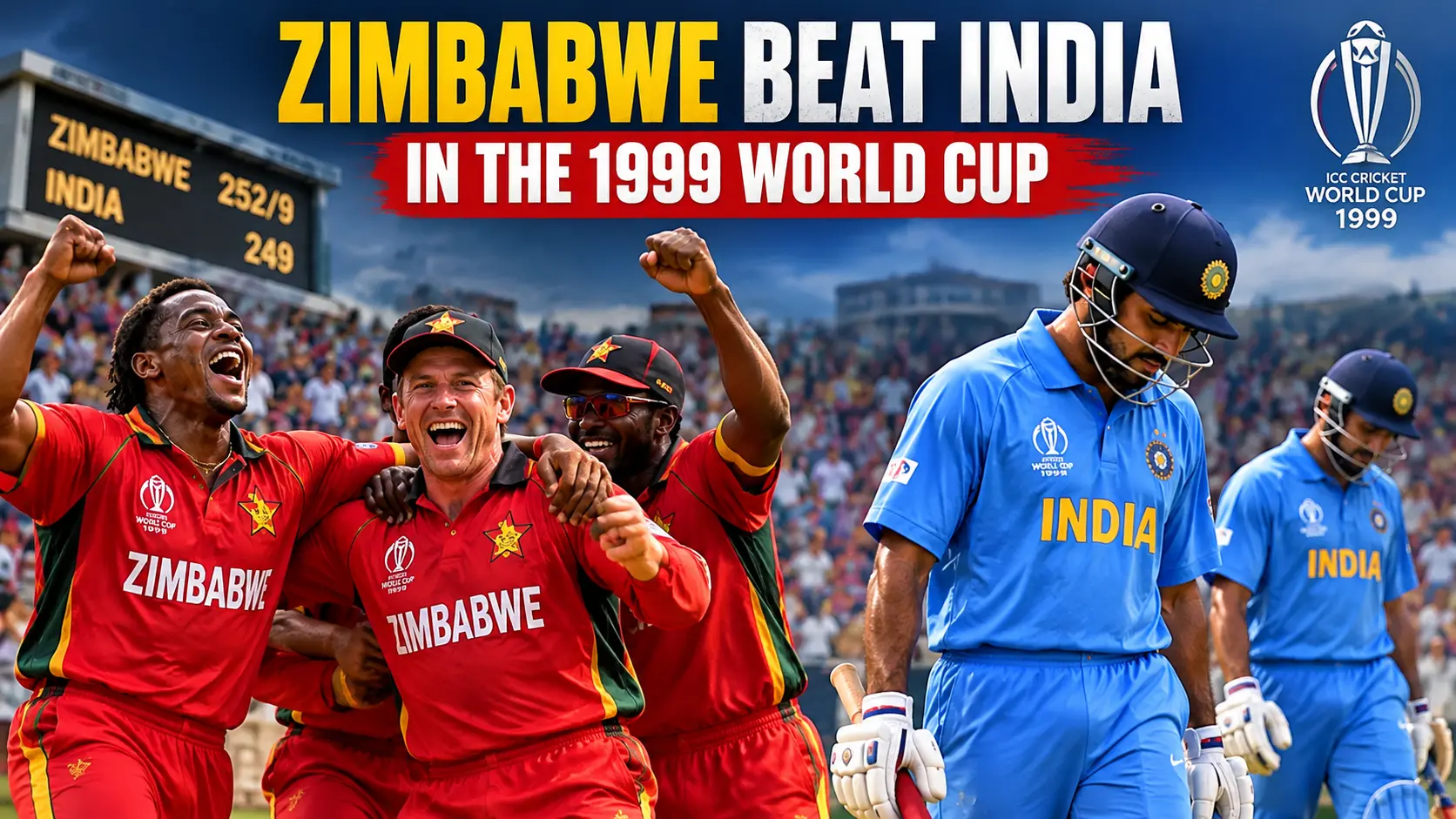
Zimbabwe’s victory over India at the 1999 Cricket World Cup remains one of the tournament’s memorable surprises. The match took place at Grace Road in Leicester on 19 May 1999. Zimbabwe scored 252 for nine, then dismissed India for 249 in a tense finish.
India needed nine runs from the final two overs with three wickets remaining. Henry Olonga returned to bowl a decisive spell and removed Robin Singh, Javagal Srinath and Venkatesh Prasad. Zimbabwe won by three runs, turning a difficult match into a famous World Cup moment.
| Match Statistic | Details |
|---|---|
| Zimbabwe Score | 252/9 (50 overs) |
| India Score | 249 all out (45 overs) |
| Winning Margin | Zimbabwe won by 3 runs |
| Match Date | 19 May 1999 |
1999 World Cup India vs Zimbabwe: Match Summary
The Group A match was played at Grace Road, Leicester, on Wednesday, 19 May 1999. India won the toss and chose to field first. Zimbabwe made 252 for nine from their 50 overs, setting India a target of 253.
India’s chase was reduced to 46 overs after the team failed to complete Zimbabwe’s innings within the required time. That penalty increased the pressure on the batting side. India eventually reached 249 in 45 overs and lost all ten wickets.

| Match detail | Information |
|---|---|
| Tournament | ICC Cricket World Cup 1999 |
| Match | India vs Zimbabwe, Group A |
| Date | 19 May 1999 |
| Venue | Grace Road, Leicester, England |
| Toss | India won and chose to field |
| Zimbabwe | 252/9 in 50 overs |
| India | 249 all out in 45 overs |
| Result | Zimbabwe won by 3 runs |
| Player of the Match | Grant Flower |
The scorecard confirms the narrow margin and the importance of Grant Flower’s all-round contribution. He scored 45 runs and bowled ten overs for 33 runs, taking one wicket. Andy Flower’s unbeaten 68 also gave Zimbabwe a strong platform.
For the full figures, see the 1999 World Cup India vs Zimbabwe scorecard. The ICC’s look back at classic Zimbabwe World Cup matches also recalls this three-run upset. This result remains an important example when discussing India vs Zimbabwe biggest win records and memorable moments in World Cup history.
Why the Zimbabwe vs India Match Became Historic
The result mattered because India entered the tournament with strong expectations. They had already lost their opening match against South Africa. Another defeat made their route to the Super Six stage much harder.
Zimbabwe, meanwhile, showed discipline under pressure. Their batting recovered after losing early wickets, and their bowlers kept taking important breakthroughs. The final over sequence gave the match its lasting place in World Cup history.
The contest also became a lesson in how small details can change a result. India conceded many extras and lost overs because of a slow over-rate. Those events shaped the chase before the first Indian batter faced a ball.
Zimbabwe’s Innings: Andy Flower Anchors the Total
Zimbabwe were asked to bat after India won the toss. Neil Johnson fell early for seven, but Grant Flower and the middle order helped rebuild the innings. Grant made 45 from 89 balls, providing stability at the top.
Paul Strang added 18, while Murray Goodwin scored 17. Their contributions helped Zimbabwe move through the middle overs without losing control. India’s bowlers took wickets, but they also struggled with line and discipline.
Andy Flower then played the key innings. He remained unbeaten on 68 from 85 balls, striking two fours. His calm approach helped Zimbabwe finish with a competitive total despite losing wickets late.
Alistair Campbell scored 24 from 29 balls, while Heath Streak added 14. The lower order could not make a major contribution, but the total proved enough. Zimbabwe finished at 252 for nine from 50 overs.
Zimbabwe batting scorecard
| Batter | Runs | Balls | Fours | Sixes |
|---|---|---|---|---|
| Neil Johnson | 7 | 10 | 1 | 0 |
| Grant Flower | 45 | 89 | 4 | 0 |
| Paul Strang | 18 | 26 | 1 | 0 |
| Murray Goodwin | 17 | 40 | 3 | 0 |
| Andy Flower | 68* | 85 | 2 | 0 |
| Alistair Campbell | 24 | 29 | 3 | 0 |
| Guy Whittall | 4 | 8 | 0 | 0 |
| Stuart Carlisle | 1 | 2 | 0 | 0 |
| Heath Streak | 14 | 18 | 2 | 0 |
| Eddo Brandes | 2 | 5 | 0 | 0 |
| Henry Olonga | 1* | 4 | 0 | 0 |
| Total | 252/9 | 50 overs | 51 extras | |
Zimbabwe’s total included 51 extras, made up of 14 leg-byes, 21 wides and 16 no-balls. This was a major feature of the innings and reflected India’s difficulty maintaining control. Even so, Anil Kumble’s two wickets helped restrict Zimbabwe after they had threatened to score more.
Zimbabwe’s leading run-scorers
Individual runs in Zimbabwe’s innings. Bar lengths are scaled to Andy Flower’s 68 not out.
*Andy Flower remained unbeaten. The chart compares the two Flower brothers’ contributions.
India’s Chase: A Promising Partnership Falls Short
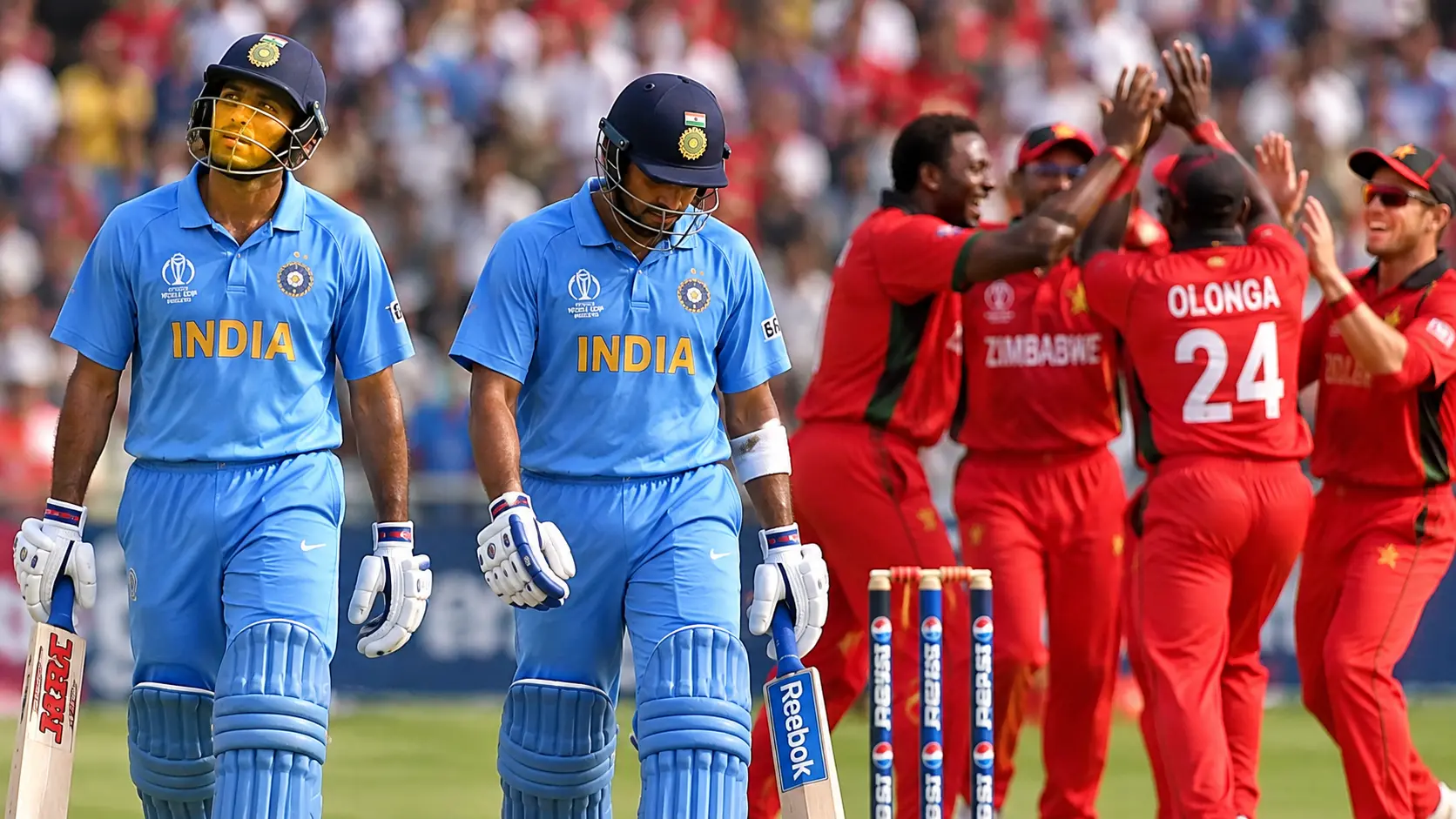
India began the chase without Sachin Tendulkar, who had returned home following the death of his father. The team marked the loss with a minute’s silence before play. Sadagoppan Ramesh came into the side and opened the batting.
Sourav Ganguly scored nine before falling early. Rahul Dravid and Mohammad Azharuddin also departed cheaply, leaving India at 56 for three. Ramesh and Ajay Jadeja then steadied the innings with a 99-run partnership.
Ramesh scored 55 from 77 balls, while Jadeja made 43 from 76 deliveries. Their partnership brought India back into the contest. At that stage, the required rate looked manageable, but Zimbabwe continued to apply pressure.
Grant Flower dismissed Ramesh, and Heath Streak removed Jadeja soon after. Those wickets changed the direction of the chase. Robin Singh then tried to guide India home with support from Nayan Mongia.
Mongia scored 28 from 24 balls, adding valuable runs late in the innings. Robin Singh made 35 from 47 deliveries and appeared to be taking India close. Javagal Srinath also struck two sixes, keeping the finish alive.
India batting scorecard
| Batter | Runs | Balls | Fours | Sixes |
|---|---|---|---|---|
| Sourav Ganguly | 9 | 8 | 2 | 0 |
| Sadagoppan Ramesh | 55 | 77 | 3 | 1 |
| Rahul Dravid | 13 | 14 | 2 | 0 |
| Mohammad Azharuddin | 7 | 11 | 1 | 0 |
| Ajay Jadeja | 43 | 76 | 3 | 0 |
| Robin Singh | 35 | 47 | 1 | 0 |
| Ajit Agarkar | 1 | 5 | 0 | 0 |
| Nayan Mongia | 28 | 24 | 2 | 1 |
| Javagal Srinath | 18 | 12 | 0 | 2 |
| Anil Kumble | 1* | 1 | 0 | 0 |
| Venkatesh Prasad | 0 | 1 | 0 | 0 |
| Total | 249 all out | 45 overs | 39 extras | |
India’s innings contained 39 extras, including 24 wides and ten no-balls. The team also lost four overs from its available chase because of the slow over-rate penalty. That left less time to reach the target and raised the pressure during the final stages.
India’s leading run-scorers
Runs scored during India’s chase. Bar lengths are scaled to Sadagoppan Ramesh’s 55.
The chart highlights four of India’s main batting contributions in the chase.
The Slow Over-Rate Penalty Changed the Chase
India’s bowling innings lasted the full 50 overs for Zimbabwe, but the team had not completed them within the allotted time. Under the tournament rules applied to this match, India’s batting innings was reduced to 46 overs. The target remained 253, so India had fewer deliveries to score the required runs.
This meant India needed to score at a higher rate from the beginning. The penalty did not decide the result by itself, because India still reached a position from which victory looked possible. However, it made every lost wicket and quiet over more costly.
India’s 51 extras also gave Zimbabwe additional deliveries and runs. The wides and no-balls extended the innings and disrupted the bowlers’ rhythm. The combination of extras and the time penalty became a major talking point after the match.
Henry Olonga’s Final Spell: Three Wickets in Five Balls
The match reached its turning point when India needed nine runs from the final two overs. Three wickets remained, and Robin Singh was set at the crease. Zimbabwe captain Alistair Campbell brought Henry Olonga back into the attack.
Olonga had struggled earlier with his control and conceded wides. The decision carried risk, but Campbell trusted his pace for the crucial stage. Olonga responded with the most important spell of his international career.
Robin Singh tried to attack and sent the ball towards the off side. Campbell took the catch at mid-off, ending Singh’s innings on 35. The wicket shifted the pressure firmly towards India.
Olonga then bowled Javagal Srinath, who had scored 18 and hit two sixes. India now had only one wicket left. Olonga completed the win by trapping Venkatesh Prasad lbw for a first-ball duck.
Those three wickets came in five balls and ended India’s innings at 249. Zimbabwe won by three runs, with one over remaining in the scheduled chase. Campbell’s decision to recall Olonga became one of the defining captaincy calls of the tournament.
Runs scored by the final three Indian batters dismissed by Henry Olonga in the closing phase. Bars compare individual innings, not bowling figures.
Grant Flower Named Player of the Match
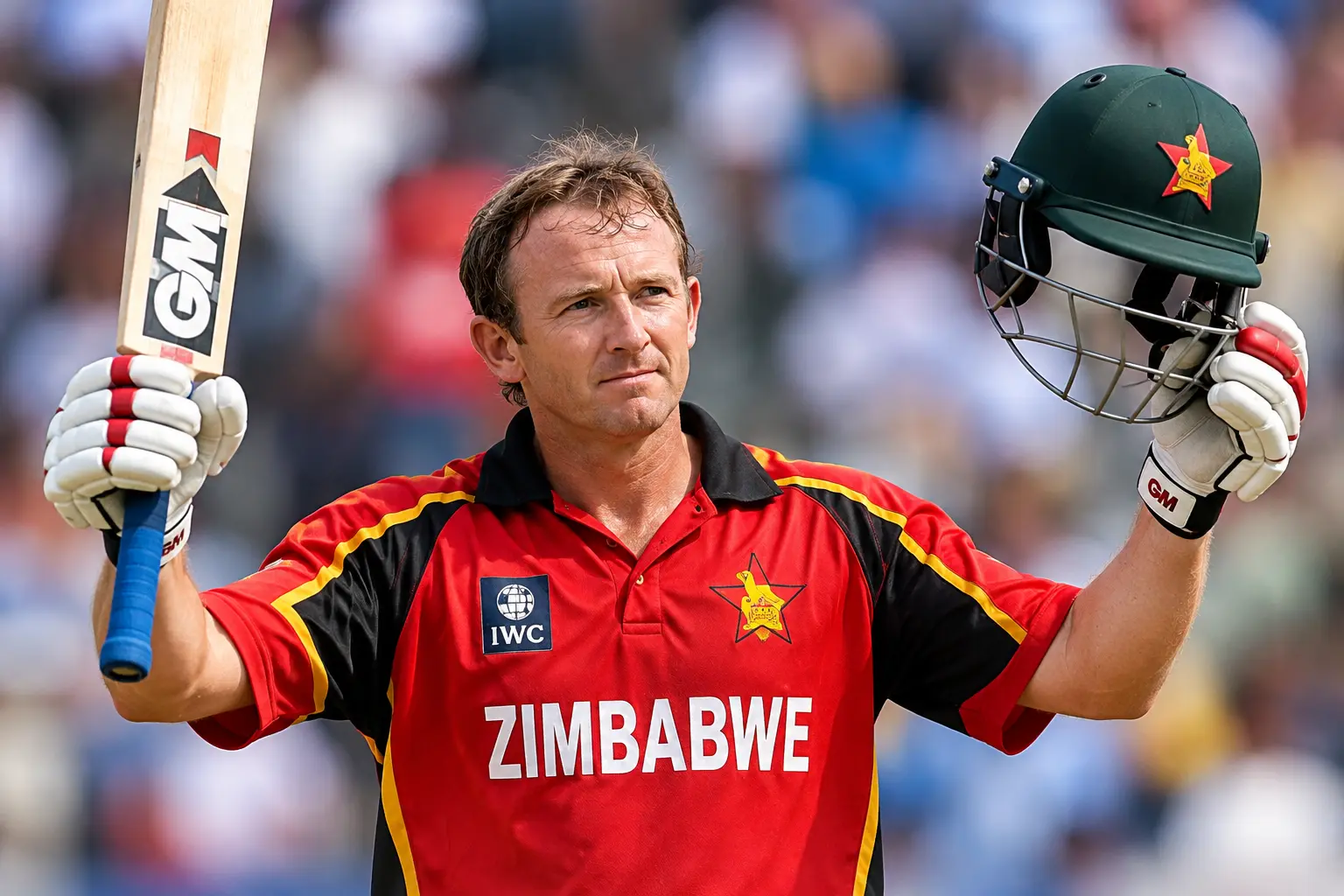
Henry Olonga delivered the decisive final spell, but Grant Flower received the Player of the Match award. His contribution came in both innings. He scored 45 runs from 89 balls and helped Zimbabwe recover after an early wicket.
Flower also bowled ten overs, conceded 33 runs and took one wicket. His economical spell helped restrict India during the middle overs. The award recognised the value of his steady batting and disciplined bowling.
Andy Flower also deserves special mention for his unbeaten 68. His innings gave Zimbabwe stability and ensured the team had a total to defend. Together, the Flower brothers scored 113 runs and played a major role in the victory.
What the Result Meant for India’s 1999 World Cup Campaign
India’s defeat left the team in a difficult position in Group A. They had already lost to South Africa in their opening match. The Zimbabwe result meant India needed to win their remaining group games to keep their qualification hopes alive.
The loss also raised questions about India’s discipline in the field. The bowling attack conceded 51 extras, while the slow over-rate penalty reduced the chase. Those details added to the disappointment of losing from a strong position.
Zimbabwe gained two points from the match and strengthened their hopes of progressing. Their win showed that they could compete with a leading cricket nation. It also gave the team confidence for the remaining group matches.
Why Zimbabwe’s 1999 Victory Still Matters
The 1999 World Cup India vs Zimbabwe match remains memorable because it combined a close scoreline with a dramatic finish. Zimbabwe were not favourites, yet they stayed competitive throughout the contest. Their bowlers found a way to defend a total that India seemed capable of chasing.
Olonga’s spell is remembered for its timing as much as its figures. He took three wickets for 22 runs in four overs, including six wides and one no-ball. The final three wickets came when India needed only nine runs from 12 balls.
The match also highlighted the importance of teamwork. Andy Flower provided the innings’ foundation, Grant Flower contributed with bat and ball, and Campbell made a brave bowling change. Olonga then delivered under pressure when the result was still in doubt.
Frequently Asked Questions
Did Zimbabwe beat India in the 1999 World Cup?
Yes. Zimbabwe defeated India by three runs in a Group A match at Grace Road, Leicester, on 19 May 1999.
What was Zimbabwe’s score against India in 1999?
Zimbabwe scored 252 runs for nine wickets in their 50 overs. Andy Flower remained unbeaten on 68 from 85 balls.
What was India’s score in the 1999 World Cup match?
India were bowled out for 249 in 45 overs while chasing 253 from a reduced 46-over innings.
Who was Player of the Match?
Grant Flower won the award after scoring 45 runs and taking one wicket for 33 runs in ten overs.
How many wickets did Henry Olonga take?
Olonga took three wickets for 22 runs in four overs. He dismissed Robin Singh, Javagal Srinath and Venkatesh Prasad in the closing stage.
Why did India have only 46 overs to chase?
India were penalised for a slow over-rate while bowling. The penalty reduced their batting allocation to 46 overs, while the target stayed at 253.
Who scored the most runs for India?
Sadagoppan Ramesh was India’s top scorer with 55 runs from 77 balls. Ajay Jadeja made 43, while Robin Singh scored 35.
Where was the India vs Zimbabwe 1999 World Cup match played?
The match took place at Grace Road in Leicester, England, on 19 May 1999.
Final Thoughts
Zimbabwe’s three-run win over India in the 1999 World Cup was built on patience, discipline and a brave final decision. Andy Flower’s 68 not out gave the team a defendable score, while Grant Flower’s all-round effort earned him the match award. Henry Olonga then changed the game with three wickets in five balls.
India came close, but the slow-over-rate penalty, costly extras and late wickets proved decisive. The result remains a classic reminder that a match is never settled until the final wicket falls. For Zimbabwe, it was a famous victory that earned a lasting place in World Cup history.