

Blessing Muzarabani leads the India–Zimbabwe T20I wicket list with 12 scalps. Explore the leading bowlers, their averages, economy rates and standout spells.
Bowling has played a major role in the India vs Zimbabwe T20I rivalry. Zimbabwe’s Blessing Muzarabani currently leads the wicket charts with 12 dismissals. India’s Ravi Bishnoi follows with nine, level with Zimbabwe captain Sikandar Raza. The list also includes Mukesh Kumar, Washington Sundar and Axar Patel, who have each taken eight wickets.
The figures cover all 17 men’s T20Is between the teams, from June 2010 to 26 July 2026. India have won 14 of those matches, while Zimbabwe have won three. This article focuses on wickets taken in this specific fixture, not each bowler’s overall T20I career record.
India vs Zimbabwe Most T20I Wickets: Top 10 Bowlers

Muzarabani holds a three-wicket lead over the next group. Bishnoi and Raza have nine wickets each, while three Indian bowlers share the next position with eight. The table also compares bowling average, economy rate and each player’s best figures.
| Rank | Bowler | Team | Matches | Wickets | Best | Average | Economy |
|---|---|---|---|---|---|---|---|
| 1 | Blessing Muzarabani | Zimbabwe | 10 | 12 | 2/19 | 25.33 | 7.73 |
| 2 | Ravi Bishnoi | India | 8 | 9 | 4/13 | 19.33 | 5.61 |
| 3 | Sikandar Raza | Zimbabwe | 14 | 9 | 3/25 | 36.67 | 8.05 |
| 4 | Mukesh Kumar | India | 3 | 8 | 4/22 | 9.38 | 7.38 |
| 5 | Washington Sundar | India | 5 | 8 | 3/15 | 11.62 | 5.17 |
| 6 | Axar Patel | India | 7 | 8 | 3/17 | 21.75 | 6.37 |
| 7 | Barinder Singh Sran | India | 2 | 6 | 4/10 | 6.83 | 5.12 |
| 8 | Avesh Khan | India | 3 | 6 | 3/15 | 13.83 | 7.55 |
| 9 | Chris Mpofu | Zimbabwe | 4 | 6 | 3/33 | 19.83 | 8.50 |
| 10 | Shivam Dube | India | 6 | 6 | 2/25 | 25.67 | 9.83 |
The table shows why wicket totals should not be judged alone. Mukesh Kumar has eight wickets from only three matches and the lowest average among the top six. Washington Sundar has also been economical, with an average of 11.62 and an economy rate of 5.17. When analysing the India vs Zimbabwe T20 head-to-head record, Muzarabani’s larger match sample stands out, helping him lead the overall wicket tally.
Wickets taken in this fixture, through 26 July 2026.
Bar lengths use 12 wickets as the maximum. The chart displays the six leading entries only.
Blessing Muzarabani: Zimbabwe’s Leading Wicket-Taker

Blessing Muzarabani sits first with 12 wickets in 10 matches against India. The tall fast bowler has a best return of two for 19, a bowling average of 25.33 and an economy rate of 7.73. His record reflects the value of pace and bounce against a strong batting line-up.
Why his record matters for Zimbabwe
Zimbabwe have often relied on Muzarabani to lead the pace attack. His height can create extra bounce, while his ability to hit a hard length makes it difficult for batters to play freely. Against India, those skills have helped him collect wickets across different stages of an innings.
Ravi Bishnoi: India’s Leading Bowler Against Zimbabwe
Ravi Bishnoi is India’s highest wicket-taker in this fixture, with nine wickets in eight matches. His best figures are four for 13, while his average is 19.33 and his economy rate is 5.61. Those numbers place him second on the overall list, level on wickets with Sikandar Raza.
Bishnoi’s four for 13 came in Harare on 6 July 2024. Zimbabwe were bowled out for 115, and India also struggled during the chase, falling to a 13-run defeat. His spell stood out despite the result, as he removed four batters and kept India in the contest.
Leg-spin and control in the middle overs
Bishnoi’s main strength is his quick leg-spin and ability to challenge batters who look to attack. He often keeps the ball moving towards the stumps, which can force batters to take risks. His economy rate of 5.61 is the best among the top three wicket-takers.
His record is particularly strong when compared with bowlers who have played a similar number of matches. Nine wickets in eight appearances show that he has been a regular wicket-taking option whenever selected against Zimbabwe.
Sikandar Raza and Zimbabwe’s Bowling Support
Sikandar Raza has taken nine wickets in 14 matches against India. His best figures are three for 25, with an average of 36.67 and an economy rate of 8.05. Raza’s role is different from that of a specialist fast bowler because he contributes with both batting and off-spin.
Chris Mpofu and the older generation
Chris Mpofu is also among the top ten, with six wickets in four matches. His best figures are three for 33. His record represents an earlier period of the rivalry, when Zimbabwe used his pace and experience to challenge India’s batting order.
Muzarabani and Mpofu are the two Zimbabwe specialist seamers in this top-ten list. Raza adds an all-round option, giving Zimbabwe three different bowling styles among the leading names.
Indian Bowlers Who Have Made a Big Impact
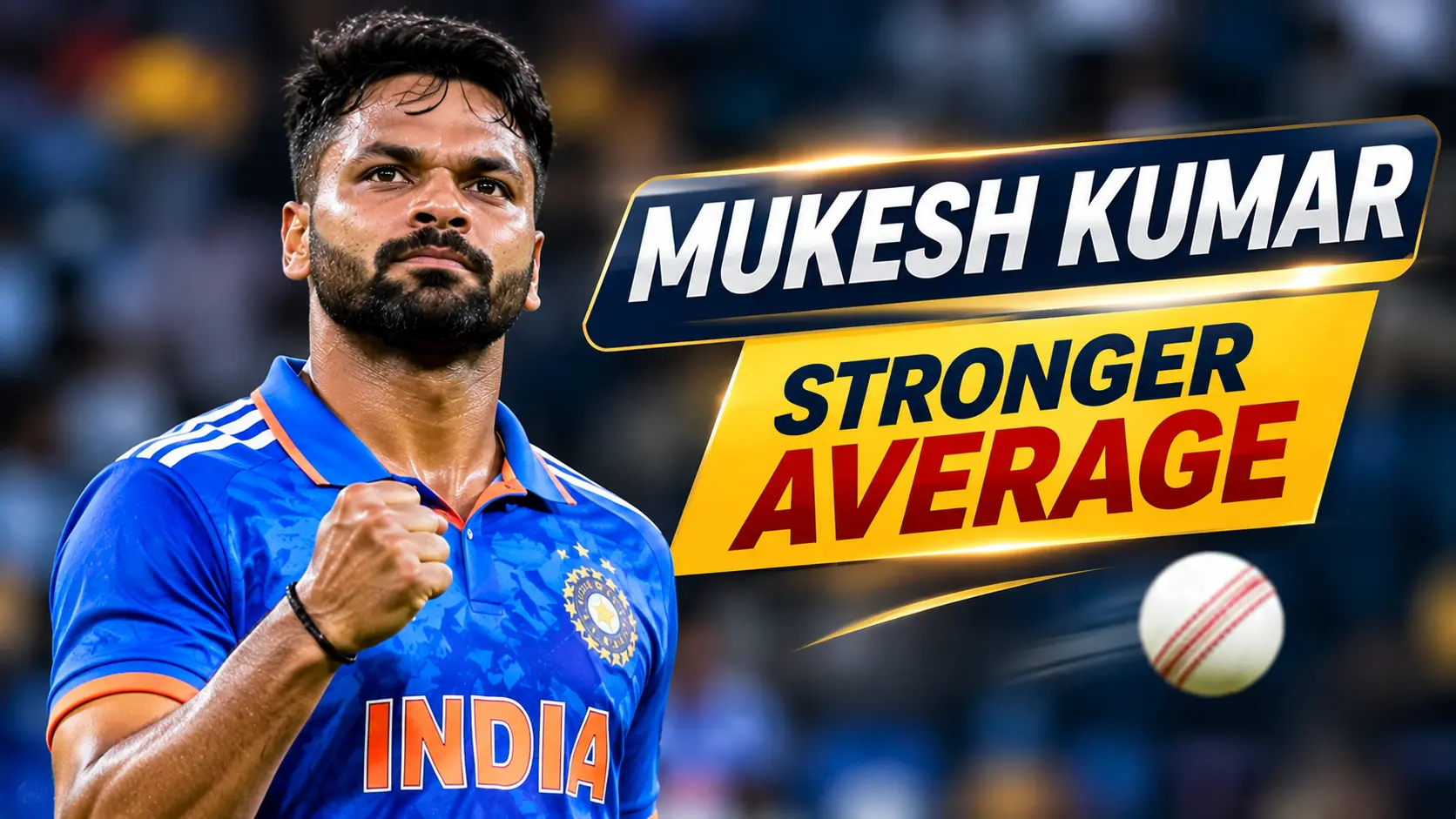
India have six bowlers in the top ten. Bishnoi leads that group, followed by Mukesh Kumar, Washington Sundar and Axar Patel, who have eight wickets each. Barinder Singh Sran, Avesh Khan and Shivam Dube have six apiece.
Mukesh Kumar’s strong average
Mukesh has taken eight wickets in only three matches. His average of 9.38 is the lowest among the top six bowlers, and his best figures are four for 22. That is an impressive return, although his smaller number of appearances should be kept in mind when comparing him with Muzarabani or Raza.
Washington Sundar and Axar Patel
Washington Sundar has eight wickets in five matches, with best figures of three for 15. His economy rate of 5.17 is lower than every other bowler in the top six. Axar Patel has also claimed eight wickets, with a best return of three for 17.
Barinder Sran’s record-breaking spell
Barinder Singh Sran holds the best bowling figures in this fixture. He took four wickets for just 10 runs in four overs at Harare on 20 June 2016. His economy rate in that match was 2.50, an outstanding return in a T20 international.
Sran finished with six wickets in only two matches against Zimbabwe. His average of 6.83 is the best among the top ten, while his economy rate was 5.12. His four for 10 remains the benchmark innings performance, even though he does not lead the overall wicket tally.
Best Bowling Figures in India vs Zimbabwe T20Is
The best innings figures belong to Sran, but he is not the only Indian bowler to take four wickets in a match. Ravi Bishnoi and Mukesh Kumar have also recorded four-wicket hauls against Zimbabwe. Their performances came in the 2024 series, while Sran’s spell dates back to 2016.
| Bowler | Figures | Overs | Runs | Year |
|---|---|---|---|---|
| Barinder Singh Sran | 4/10 | 4 | 10 | 2016 |
| Ravi Bishnoi | 4/13 | 4 | 13 | 2024 |
| Mukesh Kumar | 4/22 | 3.3 | 22 | 2024 |
What the Numbers Tell Us About the Rivalry
India lead the overall T20I results 14–3, but Zimbabwe still have the leading individual wicket-taker. That contrast makes this bowling record interesting. Muzarabani has been Zimbabwe’s most consistent wicket threat, while India’s wickets are spread across several spinners and fast bowlers.
The list also highlights the importance of sample size. Muzarabani has played ten matches, while Mukesh has appeared in three. A higher wicket count usually reflects both skill and opportunity, so matches played, average and economy rate help provide a fairer comparison.
Bowling average measures the runs conceded per wicket, while economy rate measures runs conceded per over. A lower average suggests a bowler takes wickets more cheaply. A lower economy rate shows better control of scoring, although the match situation and bowling role also matter.
For the full fixture record, the Association of Cricket Statisticians and Historians’ India–Zimbabwe T20I records provides a useful reference for match totals and individual milestones. The wicket table above uses head-to-head figures through 26 July 2026.
What the 2026 T20I Series Added to the Bowling Story
The July 2026 series added another chapter to this head-to-head record. India won all three matches in Harare, taking the series 3–0. The results were a seven-wicket win, a 90-run win and a 35-run win. Although the series did not change the leading name in the all-time wicket table, it gave several bowlers a chance to add to their records.
Mayank Yadav finished as the leading wicket-taker across the three matches, with five wickets. Prince Yadav and Yash Thakur collected four each, while Blessing Muzarabani also took four wickets for Zimbabwe. Ravi Bishnoi claimed three wickets during the series. These are series-only figures and should not be confused with each bowler’s full India–Zimbabwe T20I tally.
The distinction matters when reading records. Muzarabani’s 12 wickets are his total across all ten appearances against India, while his four wickets came in the three-match 2026 series alone. Bishnoi’s nine-wicket head-to-head tally also includes matches from earlier tours. Keeping the time period clear prevents a recent series table from being mistaken for an all-time record.
How to Compare T20I Bowlers Fairly
Wicket totals are a useful starting point, but they do not tell the full story. A bowler who has played ten matches has had more chances than someone who has played only two or three. That is why matches, wickets, average, economy rate and best figures should be read together.
Bowling average is calculated by dividing the runs conceded by the wickets taken. For example, a lower average means a bowler has spent fewer runs per wicket. Mukesh Kumar’s average of 9.38 is especially strong in this list, but he has played only three matches. Muzarabani’s 12 wickets across ten games show a longer record of success against India.
Economy rate measures the number of runs conceded per over. It helps show how well a bowler controls scoring, even when wickets do not fall. Washington Sundar’s 5.17 economy rate and Bishnoi’s 5.61 stand out among the leading names. However, economy figures can be shaped by role, match conditions and the stage of an innings.
Best bowling figures show the strongest single-match performance. Sran’s four for 10 is the best in this rivalry, while Bishnoi’s four for 13 and Mukesh’s four for 22 are also notable. A single spell can decide a match, but repeated contributions are what build a high career tally in a head-to-head contest.
Frequently Asked Questions
1. Who has taken the most wickets in India vs Zimbabwe T20Is?
Blessing Muzarabani of Zimbabwe leads the list with 12 wickets in 10 matches. His best figures against India are two for 19.
2. Who is India’s leading wicket-taker against Zimbabwe in T20Is?
Ravi Bishnoi is India’s leading bowler in this fixture. He has taken nine wickets in eight matches, with best figures of four for 13.
3. How many wickets has Sikandar Raza taken against India?
Sikandar Raza has taken nine wickets in 14 T20Is against India. His best bowling figures are three for 25.
4. Who has the best bowling figures in this T20I rivalry?
Barinder Singh Sran holds the record with four wickets for 10 runs in four overs at Harare in June 2016.
5. How many T20Is have India and Zimbabwe played?
India and Zimbabwe have played 17 T20Is through 26 July 2026. India have won 14 matches and Zimbabwe have won three.
6. How many wickets have Mukesh Kumar, Washington Sundar and Axar Patel taken?
Each bowler has taken eight wickets against Zimbabwe. Mukesh has played three matches, Washington five and Axar seven.
Conclusion
Blessing Muzarabani is the leading wicket-taker in India vs Zimbabwe T20Is, with 12 wickets from ten matches. Ravi Bishnoi and Sikandar Raza follow with nine each, while Mukesh Kumar, Washington Sundar and Axar Patel have eight apiece. The list features both specialist bowlers and all-rounders, showing the different ways teams have taken wickets in this contest.
Barinder Singh Sran owns the best individual bowling figures, with four for 10 in 2016. Bishnoi and Mukesh have also recorded four-wicket hauls. With the records updated through 26 July 2026, Muzarabani remains at the top, but future India–Zimbabwe T20Is could change the rankings.